Overview of Therapy for OCD
What Is OCD ?
Obsessive-Compulsive Disorder (OCD) is a mental health condition marked by obsessions (intrusive, distressing thoughts, images, or urges) and compulsions (repetitive behaviors or mental acts performed to reduce anxiety or prevent a feared outcome). People with OCD often know their fears are excessive but feel trapped in a cycle that steals time, energy, and joy.
Common OCD Subtypes (Examples)
- Contamination/Health OCD: Fear of germs, illness, chemicals; excessive washing or avoidance.
- Checking OCD: Repeatedly checking locks, appliances, emails, symptoms.
- “Just-Right”/Perfectionism OCD: Intense need for symmetry, order, or the “right feeling.”
- Moral/Scrupulosity OCD: Fear of being a bad person, offending God, or breaking rules.
- Harm OCD: Intrusive violent or sexual thoughts; avoidance of sharp objects or loved ones.
- Relationship OCD (ROCD): Doubts about one’s partner, compatibility, or attraction.
You don’t have to fit neatly into a subtype to get help. OCD is about patterns, not labels.
Why Psychotherapy Works for OCD
Therapy aims to break the obsession–compulsion loop. Instead of trying to eliminate every intrusive thought (impossible!), you learn new ways to respond so the thoughts matter less—and your life matters more.
The Core Approaches
1) Exposure and Response Prevention (ERP)
- What it is: Gradual, supported practice facing feared situations (exposure) without performing compulsions (response prevention).
- Why it works: Your brain relearns that anxiety rises and falls on its own, even without rituals, and feared outcomes are far less likely than OCD insists.
- Example: If contamination is a fear, you might touch a doorknob and delay hand-washing with your therapist’s guidance.
2) Acceptance and Commitment Therapy (ACT)
- What it is: Skills for noticing thoughts and feelings without getting hooked, clarifying your values, and taking meaningful action even when discomfort is present.
- Why it helps: Intrusive thoughts lose control when you stop fighting them and start moving toward what matters.
3) Internal Family Systems (IFS)
- What it is: A compassionate way to understand inner “parts” (the protector that compels rituals, the fearful part anticipating danger).
- Why it helps: When parts feel heard and safe, they soften—reducing the intensity of urges and self-criticism.
These approaches often work together: ERP for behavioral change, ACT for mindset and values, IFS for self-compassion and deeper healing.
What to Expect in OCD Therapy
- Assessment & Goal-Setting
We map your obsession–compulsion cycles, triggers, safety behaviors, and avoidance patterns. We define clear goals (e.g., “Spend <10 minutes a day checking” or “Hold my baby without avoidance”). - Personalized Treatment Plan
Together we build a fear hierarchy—from easier challenges to tougher ones. You’ll learn core skills: mindfulness, response-delay, and values-based action. - Weekly ERP Practice
In session and between sessions, you complete structured exposures with compassionate coaching. Progress is tracked, celebrated, and adjusted as needed. - Relapse Prevention
We create a maintenance plan: early-warning signs, booster exercises, and a simple routine that keeps gains solid.
Practical Skills You’ll Learn
- Name it to tame it: “This is an OCD thought, not a fact.”
- Limit reassurance: Ask for connection, not certainty (“Can we sit with this together?”).
- Delay & Reduce: Postpone rituals by 10–15 minutes, then shrink their length and frequency.
- Opposite Action: Do what OCD says not to do (safely) and stay with the discomfort.
- Values Micro-Steps: Pick one daily action aligned with who you want to be—small, repeatable, meaningful.
Myths vs. Facts
- Myth: “If I have a scary thought, it means I want it.”
Fact: Intrusive thoughts are ego-dystonic—the exact opposite of your values. - Myth: “I must be 100% certain before I can relax.”
Fact: Life is uncertain. Therapy teaches you to live well with uncertainty. - Myth: “ERP is too harsh.”
Fact: Good ERP is collaborative, gradual, and compassionate—never forced.
When to Seek Help
- Compulsions take >1 hour/day or cause significant distress.
- You’re avoiding people, places, or activities you care about.
- Reassurance and checking keep growing, not shrinking.
- You want trained guidance and a clear plan to get unstuck.
How Loved Ones Can Support
- Shift from certainty to support: “I’m here with you,” not “You’re safe, I promise.”
- Agree on boundaries: Limit reassurance loops; encourage ERP goals.
- Celebrate effort, not certainty: Praise showing up and staying with discomfort.
A Sample 8–12 Week Roadmap
- Weeks 1–2: Assessment, education, values work, building your hierarchy.
- Weeks 3–6: ERP starts; daily home practice; ACT skills for defusion and acceptance.
- Weeks 7–10: Harder exposures; IFS-informed self-compassion; relapse prevention skills.
- Weeks 11–12: Consolidate gains; finalize a maintenance plan and booster schedule.
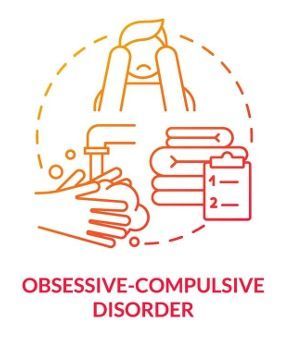
Cleaning OCD: When the Need for Cleanliness Becomes a Mental Health Disorder Cleaning and organizing are healthy habits for many people living in Vancouver and the Lower Mainland. In a city where busy urban living, shared residential buildings, public transit, and active community spaces are common, cleanliness can feel especially important. However, for individuals struggling with Cleaning OCD in Vancouver, the urge to clean is not about preference or hygiene—it is driven by intense anxiety and intrusive thoughts that feel impossible to ignore. Cleaning OCD (contamination OCD) is a subtype of Obsessive-Compulsive Disorder where a person experiences persistent fears about germs, illness, contamination, or moral "uncleanliness," followed by compulsive cleaning behaviours intended to reduce anxiety. In Vancouver OCD treatment clinics and therapy practices, this is one of the most commonly seen presentations of OCD. What Is Cleaning OCD? Cleaning OCD, also known as contamination OCD in Vancouver clinical settings, involves: Intrusive thoughts about germs, dirt, viruses, toxins, or illness (common in urban environments like Vancouver) Fear of spreading contamination to family, coworkers, or public spaces Intense discomfort when objects, surfaces, or homes feel "unclean" Repetitive cleaning, disinfecting, hand-washing, or showering Avoidance of public places such as SkyTrain stations, buses, hospitals, offices, or restaurants throughout Vancouver due to perceived contamination These behaviours are not about cleanliness preference. They are attempts to neutralize anxiety and prevent feared harm. Common Symptoms of Cleaning OCD People living with Cleaning OCD in Vancouver or British Columbia may experience: Washing hands dozens or hundreds of times per day Cleaning the same surface repeatedly in their home or condo until it "feels right" Excessive use of disinfectants, wipes, or cleaning chemicals Avoidance of SkyTrain handrails, bus seats, elevators, doorknobs, cash, or public washrooms Frequent clothing changes due to feeling "contaminated" Seeking reassurance from family, partners, or therapists about germs or illness risk Skin irritation, bleeding, or infections from over-washing In most cases, anxiety returns shortly after cleaning, reinforcing the OCD cycle. Cleaning OCD vs Being "Neat" in Vancouver Lifestyles Many people in Vancouver prefer clean homes, especially in condos, shared apartments, or busy urban neighbourhoods. However, OCD is fundamentally different from cleanliness preference. Preference for CleanlinessCleaning OCD (Vancouver OCD presentation)Cleaning feels satisfyingCleaning feels urgent and anxiety-drivenCan tolerate some messDistress when cleanliness is uncertainStops when neededFeels unable to stop cleaningNo fear of catastropheFear of illness, harm, or contamination The key distinction is fear and compulsivity, not preference. The OCD Cycle in Cleaning Compulsions Cleaning OCD typically follows a predictable reinforcement loop: Intrusive Thought: "This surface in my Vancouver apartment is contaminated." Anxiety: Fear of germs, illness, or spreading contamination Compulsion: Washing, disinfecting, avoiding, or cleaning repeatedly Temporary Relief: Anxiety drops briefly Reinforcement: Brain learns cleaning = safety Stronger OCD: Thoughts return more frequently and intensely Without treatment, this cycle often worsens over time. Effective Treatment for Cleaning OCD in Vancouver Exposure and Response Prevention (ERP) – Gold Standard OCD Treatment in Vancouver ERP is the most effective, evidence-based treatment used by OCD specialists in Vancouver and throughout British Columbia. It involves: Gradually touching "feared" objects or tolerating perceived contamination (for example, SkyTrain handrails, bus poles, public door handles, or elevator buttons in Vancouver) Resisting compulsive washing or disinfecting Allowing anxiety to rise and fall naturally without rituals Training the brain that harm does not occur without compulsions ERP is widely used in Vancouver OCD clinics and CBT-based therapy practices. Acceptance and Commitment Therapy (ACT) ACT is often combined with ERP in Vancouver OCD treatment settings: Builds tolerance for uncertainty and discomfort Reduces the need to achieve "certainty of cleanliness" Helps clients act according to values (family, work, recreation, and relationships throughout the Vancouver area) rather than fear Reduces fusion with intrusive contamination thoughts Together, ERP and ACT help individuals regain control over daily functioning across Vancouver and the Lower Mainland. When to Seek OCD Treatment in Vancouver You may benefit from OCD therapy in Vancouver or the Lower Mainland if: Cleaning rituals take up hours each day Anxiety dictates where you go (for example, avoiding SkyTrain, buses, workplaces, restaurants, or shopping centres in Vancouver) You avoid social, work, or family activities Your skin health is affected by excessive washing Reassurance from others no longer helps Working with an OCD-trained therapist in Vancouver is essential. General anxiety counselling alone often unintentionally reinforces reassurance-seeking and avoidance patterns. Final Thoughts: Recovery from Cleaning OCD in Vancouver Cleaning OCD is not about hygiene. It is about fear, uncertainty, and a brain stuck in a threat-response loop. For individuals in Vancouver and British Columbia, evidence-based treatment such as ERP and ACT available through OCD specialists can significantly reduce symptoms and restore quality of life. Recovery does not mean achieving perfect cleanliness in your Vancouver home or environment. It means learning that you can live fully in Vancouver—even when your mind tells you things are not clean enough.
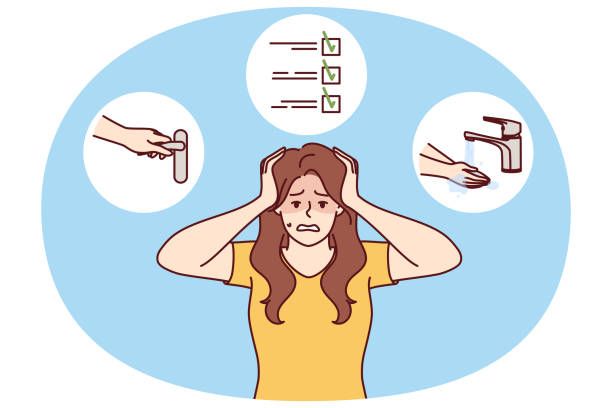
Checking OCD: Symptoms, Causes, and How to Break the Checking Cycle

Step 1: Relabel
Description: Identify the mental event as an OCD product—not a real danger or a meaningful signal. Briefly name it (“OCD thought,” “OCD urge,” “false alarm”). This reduces fusion (“I am the thought”) and stops you from debating content, which becomes a mental compulsion. Keep it to one short line, the